

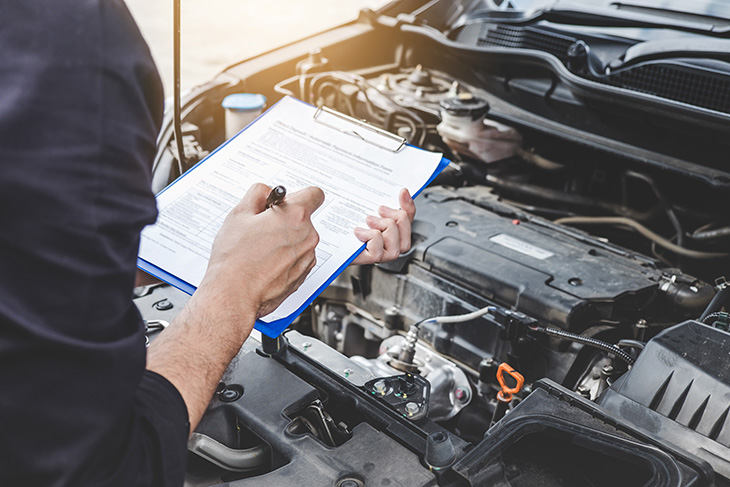
For most people, purchasing a vehicle is one of the largest financial investments they will make, second only to buying a home. Yet, a surprising number of drivers treat routine maintenance as an optional chore rather than a critical investment. Skipping an oil change or ignoring a minor fluid leak might save a few dollars in the short term, but the long-term consequences can be devastating to both your vehicle and your wallet.
Regular car servicing is the definitive key to automotive longevity. Mechanical components inevitably wear down due to friction, heat, and time. By scheduling consistent maintenance, you actively intervene in this natural degradation process. A well-maintained vehicle runs more efficiently, retains its resale value, experiences fewer catastrophic breakdowns, and can comfortably surpass the 200,000-mile mark.
The Mechanical Reality of Regular Maintenance
A vehicle is a complex machine comprising thousands of moving parts working in synchronization under high temperatures and intense pressure. To understand how servicing extends a car’s lifespan, one must look at the mechanical realities of wear and tear.
Preventing Premature Engine Failure
The engine is the heart of your vehicle. Inside, pistons move up and down thousands of times per minute. Motor oil lubricates these components, reducing friction and absorbing heat. Over time, heat and mechanical stress break down the oil, causing it to lose its viscosity and become contaminated with dirt, debris, and metal shavings.
If left unchanged, this degraded oil turns into engine sludge. Sludge blocks the narrow passages through which oil flows, starving critical components of lubrication. The resulting metal-on-metal friction creates extreme heat, leading to premature wear or a seized engine. Regularly replacing the oil and oil filter ensures that the internal engine components remain cool, clean, and properly lubricated.
Safeguarding the Transmission System
The transmission transfers power from the engine to the wheels. Whether you drive an automatic, manual, or continuously variable transmission system, the internal gears rely on transmission fluid for cooling and lubrication. Like motor oil, transmission fluid degrades over time. Contaminated fluid causes rough shifting, gear slippage, and excessive heat buildup. A transmission flush or fluid change at recommended intervals prevents these components from grinding themselves to pieces, saving you from one of the most expensive repair bills in the automotive industry.
Cooling System Protection
Engines generate enough heat to destroy themselves within minutes without a functional cooling system. Antifreeze, or coolant, circulates through the engine block and radiator to regulate temperatures. Over time, coolant becomes acidic, which leads to internal corrosion of the radiator, water pump, and heater core. During a standard service, technicians check the pH levels of the coolant and inspect the hoses for signs of cracking or bulging. Flushing the cooling system prevents overheating, which is a primary cause of blown head gaskets and cracked engine blocks.
The Economic and Safety Benefits of Preventative Care
While keeping mechanical systems running is the primary goal, regular servicing offers profound benefits that impact your personal safety and your financial well-being.
Catching Minor Issues Before They Escalate
One of the greatest advantages of regular servicing is the comprehensive inspection performed by professional technicians. Mechanics know exactly what signs of wear to look for. A tiny tear in a CV boot, a slightly worn serpentine belt, or a minor brake fluid leak can all be fixed easily and cheaply if caught early.
If ignored, that torn CV boot allows dirt to enter the axle joint, leading to a complete axle failure while driving. A snapped serpentine belt will instantly disable your steering, alternator, and cooling system. Preventative maintenance transforms potential road emergencies into predictable, low-cost workshop visits.
Maximizing Fuel Efficiency
Rising fuel costs make efficiency a top priority for every driver. A car that misses its regular service intervals operates under mechanical strain, which forces the engine to burn more fuel to maintain performance. Several factors contribute to this inefficiency:
-
Dirty Air Filters: Clogged filters restrict airflow to the engine, disrupting the delicate air-fuel mixture and forcing the engine to work harder.
-
Worn Spark Plugs: Mismatched or degraded spark plugs cause incomplete combustion, wasting fuel and causing engine misfires.
-
Incorrect Tire Pressure and Alignment: Misaligned wheels and underinflated tires increase rolling resistance, which requires more engine power to move the vehicle forward.
Regular tune-ups resolve these minor inefficiencies, ensuring you get the maximum miles per gallon out of every tank of gas.
Protecting Resale Value
At some point, you will likely want to sell or trade in your vehicle. A pristine exterior means very little to a savvy buyer or dealership if the mechanical history is blank. A documented, complete service history is proof that the vehicle was cared for properly. It gives buyers confidence that they are not inheriting a ticking time bomb of hidden mechanical failures. Vehicles with a verified service history command significantly higher prices on the used car market than those without documentation.
Critical Components Addressed During a Service
A comprehensive vehicle service is far more involved than a simple oil change. Technicians examine several interconnected systems to guarantee optimal performance.
The Braking System
Brake pads, rotors, and calipers are subject to extreme friction every time you slow down. Technicians measure pad thickness during a service to ensure you have adequate stopping power. They also check the brake fluid for moisture contamination. Because brake fluid absorbs water from the atmosphere, old fluid can lower the boiling point of the system, leading to a spongy brake pedal or complete brake failure during heavy braking scenarios.
Tires and Suspension
Your tires are the only point of contact between your vehicle and the road. During a service, tires are rotated to ensure even tread wear, which maximizes their lifespan. Technicians also inspect the suspension system, including the shocks, struts, ball joints, and control arms. A worn suspension not only compromises ride comfort but also places uneven stress on the tires and steering components, causing rapid, uneven wear.
Electrical and Battery Systems
Modern vehicles rely heavily on complex electrical architectures. A routine service includes testing the battery’s voltage and cranking amps, as well as cleaning any corrosion from the terminals. Technicians also check the alternator and starter motor to ensure the charging system functions perfectly, preventing the frustration of a car that refuses to start on a cold morning.
Developing a Long-Term Maintenance Strategy
To truly extend the life of your vehicle, you must move away from reactive maintenance and adopt a proactive strategy based on your manufacturer’s recommendations.
Read the Owner’s Manual
The owner’s manual is the ultimate blueprint for your specific vehicle. It details the exact fluid capacities, part specifications, and service intervals required by the engineers who designed the car. Follow the maintenance schedule outlined in the manual precisely, paying close attention to whether your driving habits fall under normal or severe conditions. Short trips, stop-and-go city traffic, towing, and extreme weather conditions all classify as severe driving, which requires more frequent service intervals.
Choose Quality Parts and Fluids
When having your vehicle serviced, avoid the temptation to cut corners with sub-par fluids or generic parts. High-quality synthetic oils, OEM (Original Equipment Manufacturer) parts, and premium filters offer superior protection and durability. They are manufactured to tighter tolerances and resist degradation far better than budget alternatives, ensuring your vehicle remains protected between service visits.
Frequently Asked Questions
How does driving style affect the frequency of required vehicle servicing?
Drivers who frequently engage in stop-and-go city driving, short trips under ten minutes, heavy towing, or operation in extremely dusty or hot climates place more stress on their vehicles. This type of usage is classified by manufacturers as severe driving conditions. It accelerates the degradation of engine oil, transmission fluid, and brake components, requiring more frequent servicing than vehicles driven primarily at consistent highway speeds.
Can failing to service a car invalidate the manufacturer’s warranty?
Yes, neglecting scheduled maintenance can void your automotive warranty. If a mechanical component fails and you attempt to file a warranty claim, the manufacturer or dealership may request proof of regular servicing. If you cannot provide receipts showing that the vehicle received timely oil changes and fluid checks according to the official maintenance schedule, the claim can be legally denied on the grounds of owner neglect.
Why does the cabin air filter need to be replaced during a routine service?
The cabin air filter cleans the air entering the interior of the vehicle through the heating, ventilation, and air conditioning system. Over time, it becomes clogged with dust, pollen, leaves, and mold spores. Replacing it during a service ensures healthy air quality inside the cabin for passengers and prevents strain on the blower motor, which can overheat if forced to push air through a completely blocked filter.
What is the difference between a minor service and a major vehicle service?
A minor service occurs more frequently, typically every six months or 5,000 to 7,500 miles, focusing primarily on engine oil, the oil filter, fluid top-offs, and a basic safety inspection. A major service occurs less frequently, often every two to three years or 30,000 miles, and encompasses comprehensive tasks such as replacing spark plugs, changing transmission and differential fluids, replacing fuel and air filters, flushing the cooling system, and conducting detailed diagnostics on the suspension and braking systems.
How do worn spark plugs impact the longevity of the catalytic converter?
When spark plugs become old and degraded, they can fail to ignite the fuel mixture cleanly inside the combustion chamber, resulting in engine misfires. This allows unburnt fuel to exit the engine and enter the exhaust system. When this raw fuel hits the extremely hot ceramic elements inside the catalytic converter, it burns instantly, causing the internal components to melt and fail completely, turning a simple spark plug replacement into an expensive exhaust repair.
Why do mechanics check the steering rack boots during a regular vehicle inspection?
The steering rack boots are protective rubber covers that shield the delicate inner tie rod joints and the hydraulic steering rack seals from road grime, water, salt, and dirt. If these boots crack or tear due to age, debris enters the steering system, scoring the metal shafts and destroying the internal seals. Catching a torn boot early allows for a cheap replacement before the entire steering rack suffers unrepairable damage.