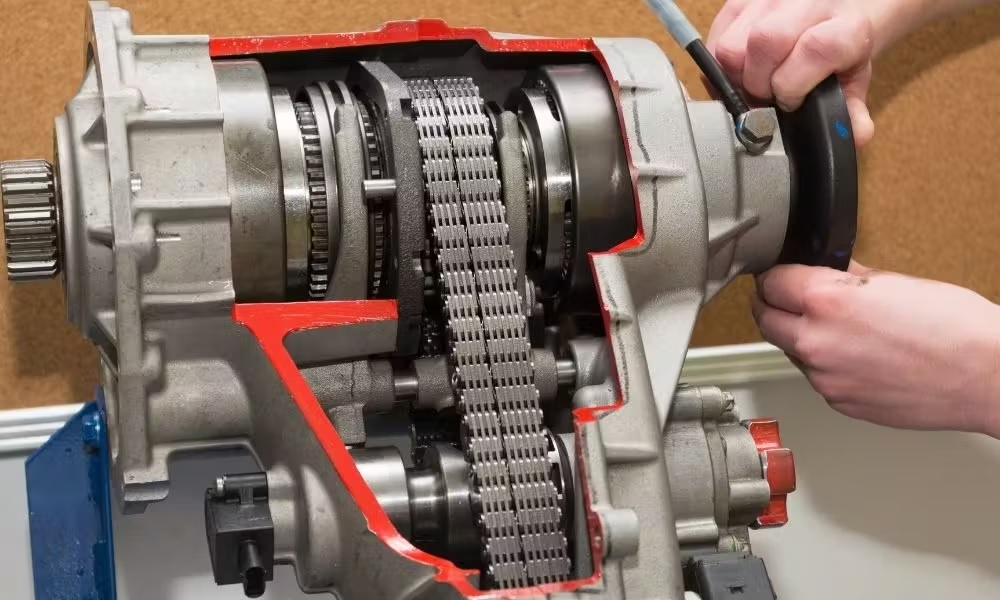

Automotive parts have seen a shift in how consumers and professionals approach repairs and upgrades. One component that often flies under the radar but plays a crucial role in drivetrain function is the transfer case. When it begins to fail, replacing it can be a significant decision. Many are discovering the benefits of selecting a remanufactured transfer case as a cost-effective and reliable solution.
The transfer case serves a core function in four-wheel and all-wheel drive vehicles by directing power from the transmission to the front and rear axles. If it’s damaged or worn out, symptoms can include grinding noises, fluid leaks, and inconsistent shifting between drive modes. Addressing such issues promptly is necessary, and choosing between a new, used, or remanufactured unit depends on cost, reliability, and performance expectations.
Why Choosing a Remanufactured Option Is Smart
Remanufactured parts are not the same as used ones. A remanufactured transfer case undergoes complete disassembly, inspection, and rebuilding with new components where necessary. All worn-out elements are replaced, and the entire unit is tested to meet or exceed original equipment manufacturer (OEM) standards. It’s a thorough process that ensures long-term reliability.
This approach also offers a significant financial advantage. A brand-new transfer case can be costly, especially for larger trucks or luxury models. A remanufactured version allows vehicle owners to restore performance without breaking the bank. More importantly, it provides peace of mind that used or salvaged alternatives can’t always offer, as it typically comes with warranties and professional backing.
In addition to savings and quality assurance, going the remanufactured route also supports environmental sustainability. By reusing the core housing and rebuilding it instead of producing an entirely new unit, the process reduces waste and minimizes energy consumption. For many drivers, this adds another layer of value to their purchase decision.
What Sets a Remanufactured Transfer Case Apart
The difference lies in the process. A proper remanufacturing service begins with cleaning and inspecting the housing for any cracks or weaknesses. All moving components, including gears, chains, bearings, and seals, are either replaced or refurbished. Advanced testing procedures simulate real-world driving conditions to confirm the case functions correctly under load.
Unlike used parts pulled from junkyards or auctions, these are not sold as-is. Technicians carefully evaluate every internal part, ensuring that nothing worn or compromised goes unnoticed. This meticulous attention translates to a part that’s often just as durable as a brand-new counterpart but more accessible for most budgets.
Remanufactured transfer cases are particularly valuable for older vehicles. When original parts are no longer produced, or when a new unit becomes difficult to source, remanufacturing offers a practical solution. Many reputable builders also keep updated schematics for various makes and models, ensuring compatibility and efficient performance.
Understanding Installation and Compatibility Factors
Even with a quality remanufactured transfer case, proper installation remains critical. Working with experienced technicians helps avoid common pitfalls like incorrect mounting or misaligned drive shafts, which can cause future issues. Most units come preassembled and include all necessary gaskets and seals, simplifying the process for professionals.
Vehicle compatibility is another essential consideration. Not all transfer cases are interchangeable, even within the same brand. Factors like gear ratios, spline counts, and electronic control modules vary significantly. This makes it important to supply your vehicle’s exact year, make, model, and drivetrain specs when ordering. Many suppliers have tools or representatives who assist customers in selecting the correct match.
Shipping logistics should also be part of the discussion. Most providers of remanufactured units operate core exchange programs. This means you send your old, non-functioning unit back after installation of the new one. Core returns help maintain the cycle of rebuilding and also ensure a reduced cost on the buyer’s end. It’s a collaborative system that supports affordability and supply chain continuity.
Supporting Performance Without Compromise
Performance expectations from a remanufactured transfer case should not be low. When sourced from a trusted supplier, these units match or even outperform original parts in some cases. Many builders integrate improved materials or better design elements learned from prior failures. This can include stronger bearings, upgraded chain systems, or reinforced seals to prevent fluid leaks.
Truck owners, off-road enthusiasts, and contractors all rely heavily on a dependable drivetrain. Opting for a rebuilt unit doesn’t mean sacrificing power or torque distribution. In fact, in harsh driving conditions, these parts often hold up better than cheaper used alternatives. With warranties ranging from one year to limited lifetime options, buyers gain added assurance of long-term value.
A remanufactured transfer case provides consistency, reliability, and cost savings without cutting corners. Whether your vehicle hauls equipment, navigates icy terrain, or simply runs daily errands, this component ensures that power reaches the wheels when it’s needed most. Choosing the right one starts with understanding the remanufacturing process and working with suppliers who emphasize quality.
Final Thoughts on Investing in a Quality Transfer Case
When faced with drivetrain repairs, it’s natural to weigh costs and longevity. A remanufactured transfer case strikes a balance between affordability and dependable function. For those driving older or high-mileage vehicles, it often becomes the preferred option because of ease of installation, availability, and proven performance.
By selecting a unit that’s been tested, rebuilt, and professionally supported, drivers avoid the uncertainty of used parts and the steep price tag of new ones. It’s a practical route to maintaining the health of your vehicle without straining your repair budget. With the proper installation and sourcing, this one decision can keep your car or truck running smoothly for many years to come.