

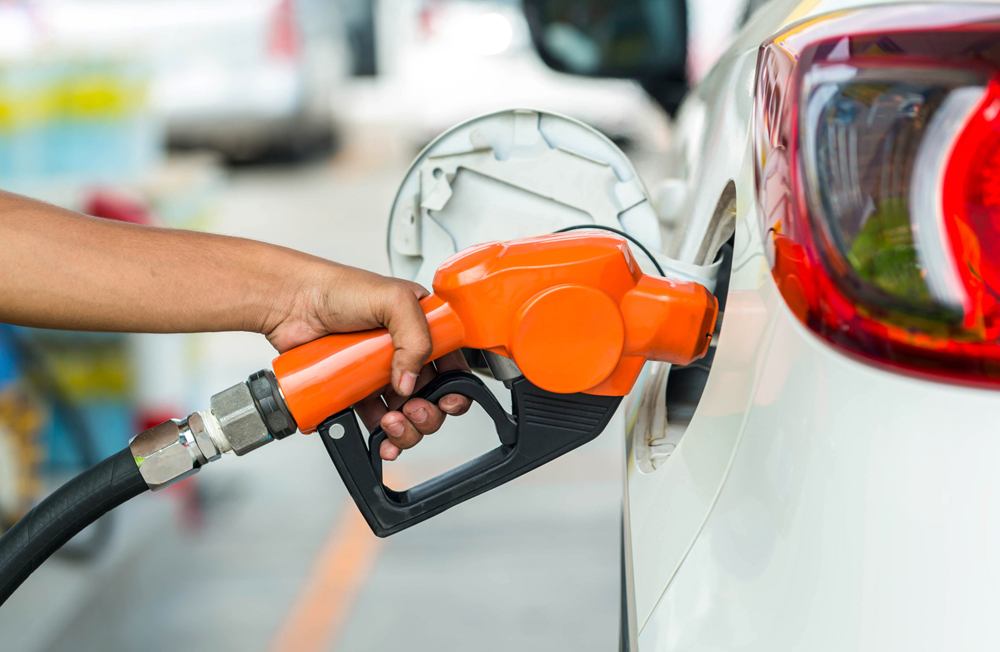
With fluctuating gas prices and growing environmental concerns, finding ways to maximize fuel efficiency has become a priority for every driver. While auto manufacturers continuously work to develop more fuel-efficient engines and hybrid technologies, the single biggest variable in how much fuel a vehicle consumes is often the person behind the wheel. The way you accelerate, brake, cruise, and maintain your vehicle can drastically alter your miles per gallon.
Improving fuel efficiency naturally does not require expensive aftermarket modifications or deep mechanical knowledge. Instead, it involves adopting a set of mindful driving habits and making smart, everyday choices. By understanding how your vehicle uses energy and modifying your behavior on the road, you can significantly reduce your fuel consumption, minimize wear and tear on your car, and save money at the pump.
Master the Art of Smooth Acceleration and Braking
The foundation of fuel-efficient driving lies in how you manage your vehicle’s kinetic energy. Every time you push the gas pedal down aggressively, you dump excessive amounts of fuel into the combustion chambers. Conversely, every time you slam on the brakes, you waste the forward momentum that your fuel just created.
Practice Gradual Acceleration
Imagine a cup of hot coffee sitting unrestrained on your dashboard. When the traffic light turns green, your goal should be to accelerate smoothly enough that the coffee would not spill. Jackrabbit starts, which involve stomping on the gas pedal to rush away from a stop sign or traffic light, burn an enormous amount of fuel. The engine must work under peak load to move a heavy, stationary object forward quickly. By gently easing into the throttle and taking roughly fifteen to twenty seconds to bring your car up to highway speeds, you allow the engine and transmission to operate within their most efficient power bands.
Anticipate Traffic and Coast to a Stop
Many drivers remain hard on the accelerator until the absolute last second, only to slam on the brakes when approaching a red light or slowing traffic. This erratic driving style is highly inefficient. Instead, look well ahead of your vehicle to read the flow of traffic. If you see a red light a quarter-mile down the road, take your foot off the gas pedal immediately and let the vehicle coast.
Modern fuel-injected vehicles utilize a system called deceleration fuel cut-off. When you coast with your foot entirely off the accelerator while the car is in gear, the vehicle’s computer completely shuts off the flow of fuel to the injectors, using the mechanical momentum of the wheels to keep the engine spinning. Coasting saves fuel twice over: it consumes zero gas while moving, and it preserves your brakes by reducing the speed you need to scrub off manually.
Optimize Your Speed and Maintain Momentum
Air resistance, or aerodynamic drag, acts as an invisible wall that your car must constantly push through. The faster you drive, the denser this wall becomes, requiring exponentially more engine power and fuel to maintain your speed.
Stick to the Speed Limit on Highways
Most passenger vehicles are engineered to achieve maximum fuel economy at speeds between forty-five and sixty miles per hour. Once you surpass sixty miles per hour, your vehicle’s fuel efficiency drops off rapidly. According to automotive engineering data, driving at seventy-five miles per hour instead of sixty-five miles per hour burns up to fifteen percent more fuel, even though it only shaves a few minutes off your commute. By maintaining a steady, lawful speed in the right-hand lanes, you reduce aerodynamic drag and optimize your engine’s operating efficiency.
Leverage Cruise Control Correctly
On flat, open stretches of highway, cruise control is an excellent tool for saving fuel. It eliminates the subconscious, micro-adjustments to the gas pedal that human drivers make, which can introduce subtle fluctuations in speed that waste gas. However, cruise control should be turned off in hilly or mountainous terrain. A standard cruise control system is programmed to maintain a precise speed at all costs. When it encounters an upgrade, it will forcefully downshift the transmission and rev the engine to maintain that exact speed, consuming excessive fuel. On hills, it is more efficient to control the throttle yourself, allowing the vehicle to lose a few miles per hour on the way up and regaining that speed naturally on the way down.
Manage Vehicle Weight and Aerodynamics
Your vehicle requires a specific amount of energy to move every pound of weight and overcome every bit of wind resistance. By streamlining your vehicle, you can eliminate unnecessary strain on the engine.
Clear Out the Trunk and Cargo Area
An extra hundred pounds of cargo in your vehicle can reduce your fuel economy by up to one to two percent. While that may sound minor, the cumulative effect over thousands of miles of driving is substantial. Many drivers treat their trunks as permanent storage units, carrying around golf clubs, heavy tools, extra fluids, or seasonal sports equipment year-round. Take the time to audit your vehicle’s interior and trunk space. Remove anything that is not essential for your current trip or daily safety.
Remove Roof Racks and Cargo Boxes When Not in Use
Roof-mounted cargo boxes, bike racks, and ski carriers are fantastic for road trips, but leaving them attached to your car permanently destroys its aerodynamic profile. A large cargo box mounted to the roof can decrease fuel efficiency by up to ten to twenty percent at highway speeds due to wind resistance. Even empty roof racks create significant aerodynamic drag. If you are not actively using these accessories, take the few minutes required to unbolt them and store them in your garage.
Smart Climate Control and Idling Habits
How you manage the internal environment of your vehicle and handle stationary situations also plays a major role in your overall fuel economy.
Use the Air Conditioner Strategically
The air conditioning compressor puts a physical mechanical load on the engine, forcing it to burn more fuel to operate. However, opening your windows at high speeds creates massive aerodynamic drag, which also hurts fuel efficiency. To maximize efficiency, use the windows-down method when driving at low speeds through residential areas or city streets where wind resistance is negligible. Once you merge onto the highway and your speed increases past forty-five miles per hour, roll up the windows and switch on the air conditioner. This minimizes the aerodynamic drag of open windows while keeping the interior cool.
Eliminate Unnecessary Idling
Idling is the ultimate waste of fuel because you are achieving zero miles per gallon. If your vehicle is stationary for more than thirty seconds, it is generally more fuel-efficient to turn the engine off entirely and restart it when you are ready to move. Modern starter motors and batteries are highly durable and engineered to handle frequent restarts without premature wear. This is why many newer vehicles come equipped with automatic stop-start systems that kill the engine at stoplights. Avoid using drive-thru lanes during peak hours; parking and walking inside the building is often faster and saves a notable amount of fuel.
Frequently Asked Questions
Does manual shifting improve fuel efficiency compared to automatic transmissions?
In the past, manual transmissions were consistently more fuel-efficient because drivers could control the exact shift points and skip gears to keep engine revolutions low. However, modern automatic transmissions, continuously variable transmissions, and dual-clutch systems are now highly optimized. They utilize advanced computers and feature up to eight, nine, or ten gears, allowing them to shift faster and keep the engine in its optimal efficiency zone better than a human driver operating a manual gearbox.
How much does incorrect tire pressure actually affect gas mileage?
Underinflated tires are a major cause of poor fuel economy. When a tire lacks proper air pressure, its footprint spreads out, creating excessive rolling resistance against the asphalt. This forces the engine to burn more fuel just to keep the vehicle rolling forward. For every one pound per square inch drop in pressure across all four tires, your fuel efficiency can drop by roughly zero point two percent. Checking your tire pressure monthly prevents this invisible drain on your gas tank.
Is it true that purchasing premium gasoline can naturally boost fuel efficiency?
For standard vehicles engineered to run on regular unleaded gasoline, switching to premium high-octane fuel will not improve fuel efficiency or increase performance. Octane ratings measure a fuel’s resistance to premature detonation, not its energy content. You should only purchase premium gasoline if your vehicle’s owner’s manual explicitly states that premium fuel is required or recommended for your specific engine configuration.
Why does using the car heater not impact fuel economy the same way the air conditioner does?
The vehicle’s air conditioner relies on a mechanical compressor driven by the engine belt, which draws noticeable power away from the motor. In contrast, the vehicle’s heater functions by utilizing the natural waste heat generated by the engine during combustion. A small fan blows air across a component called the heater core, which is filled with hot engine coolant. Because this heat is already being produced as a byproduct of driving, running the cabin heater requires almost no extra engine energy.
How does wheel misalignment quietly sabotage a driver’s fuel economy?
When your vehicle’s wheels are misaligned, they are essentially pointing in slightly different directions. This causes the tires to scrub against the road surface rather than rolling smoothly alongside one another. The resulting friction creates immense rolling resistance, meaning your engine must work significantly harder to pull the vehicle straight ahead, which accelerates tire tread wear and steadily lowers your overall miles per gallon.
Should I warm up my car’s engine in the winter to ensure better fuel efficiency?
Modern fuel-injected engines do not require prolonged warming up in cold weather. Driving gently right after starting the car is actually the fastest and most efficient way to bring both the engine and the catalytic converter up to their optimal operating temperatures. Idling in your driveway for ten or fifteen minutes simply wastes fuel and increases emissions without providing any mechanical benefit to the vehicle’s powertrain components.